The Heart of the Ocean
“By painting without looking, I learned to trust what the body knows before the mind interferes — the dunes, the relationship, and the painting all taught me that love and landscape are shaped the same way: through patience, surrender, and the courage to move without certainty.”
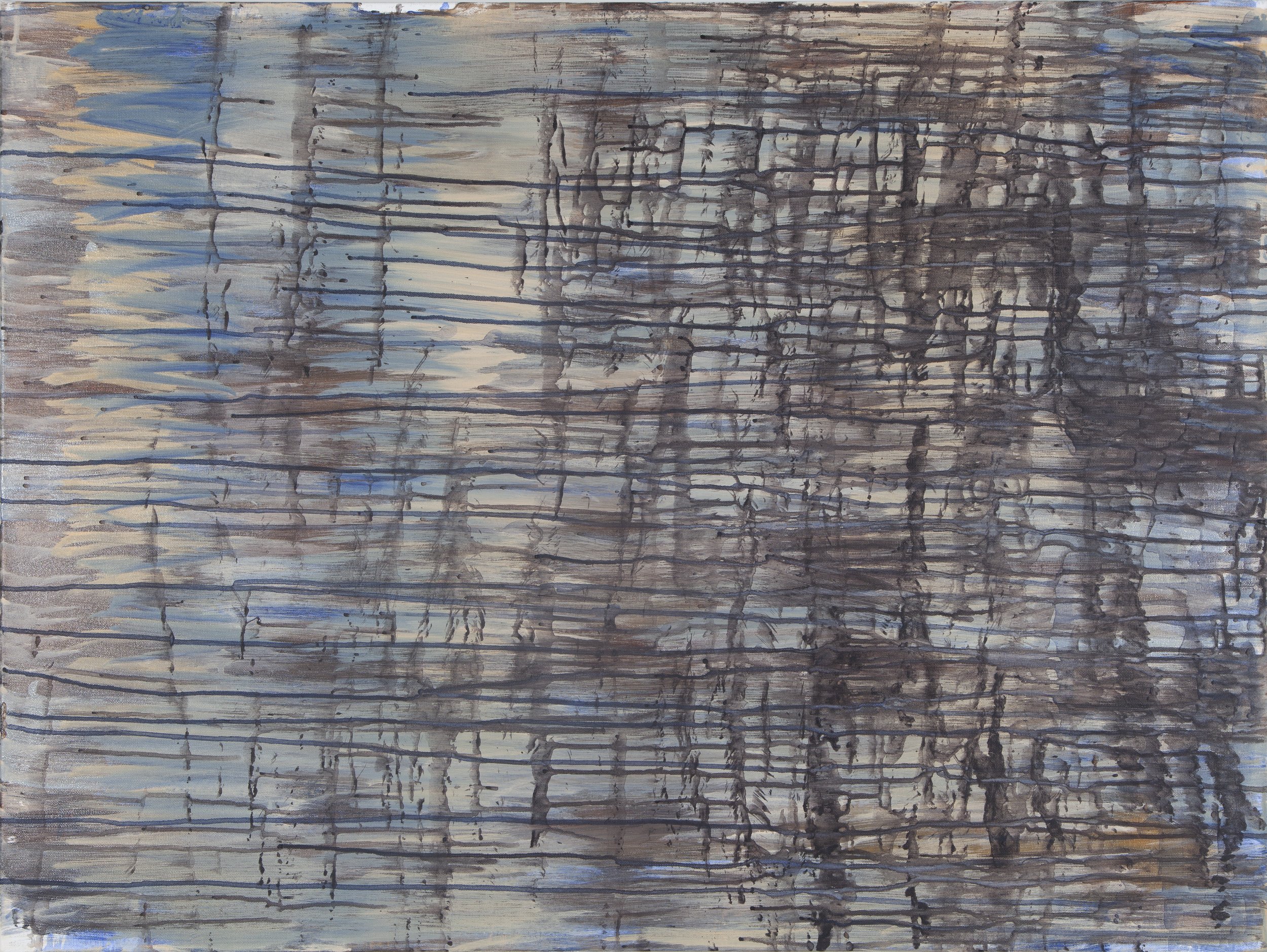
The Heart of the Ocean, aryclic on canvas, 3" by 5", November 17th, 2025
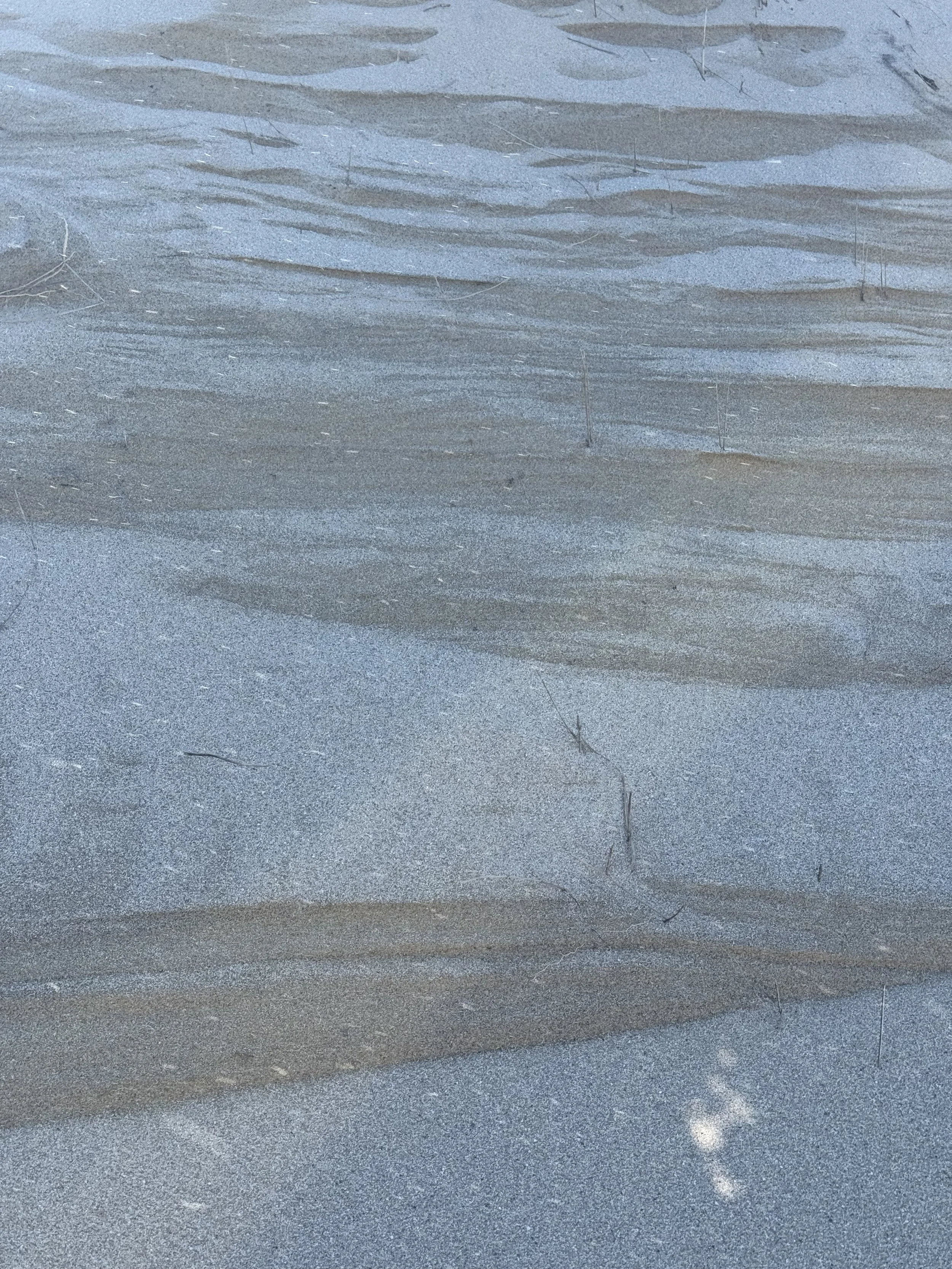
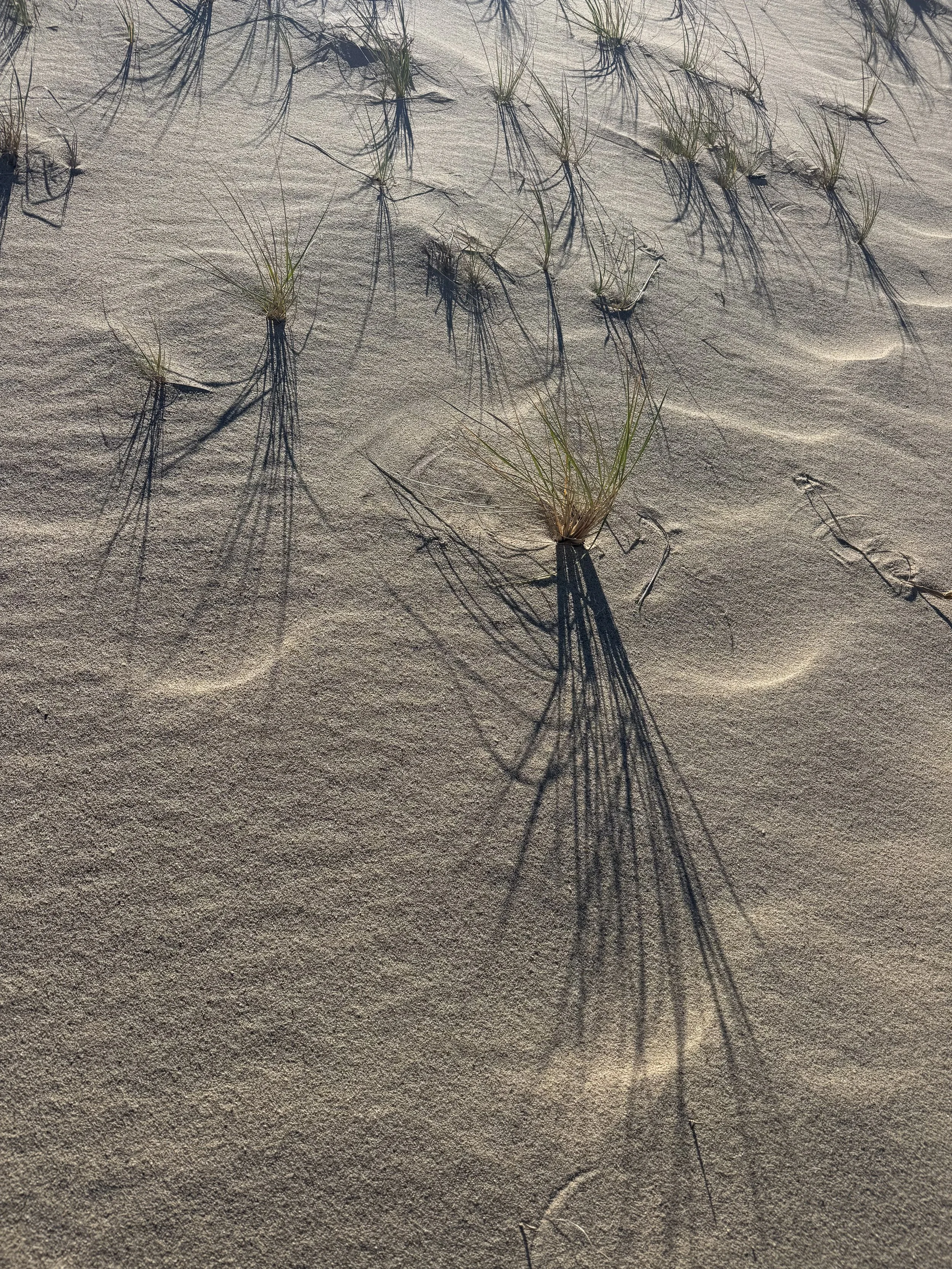
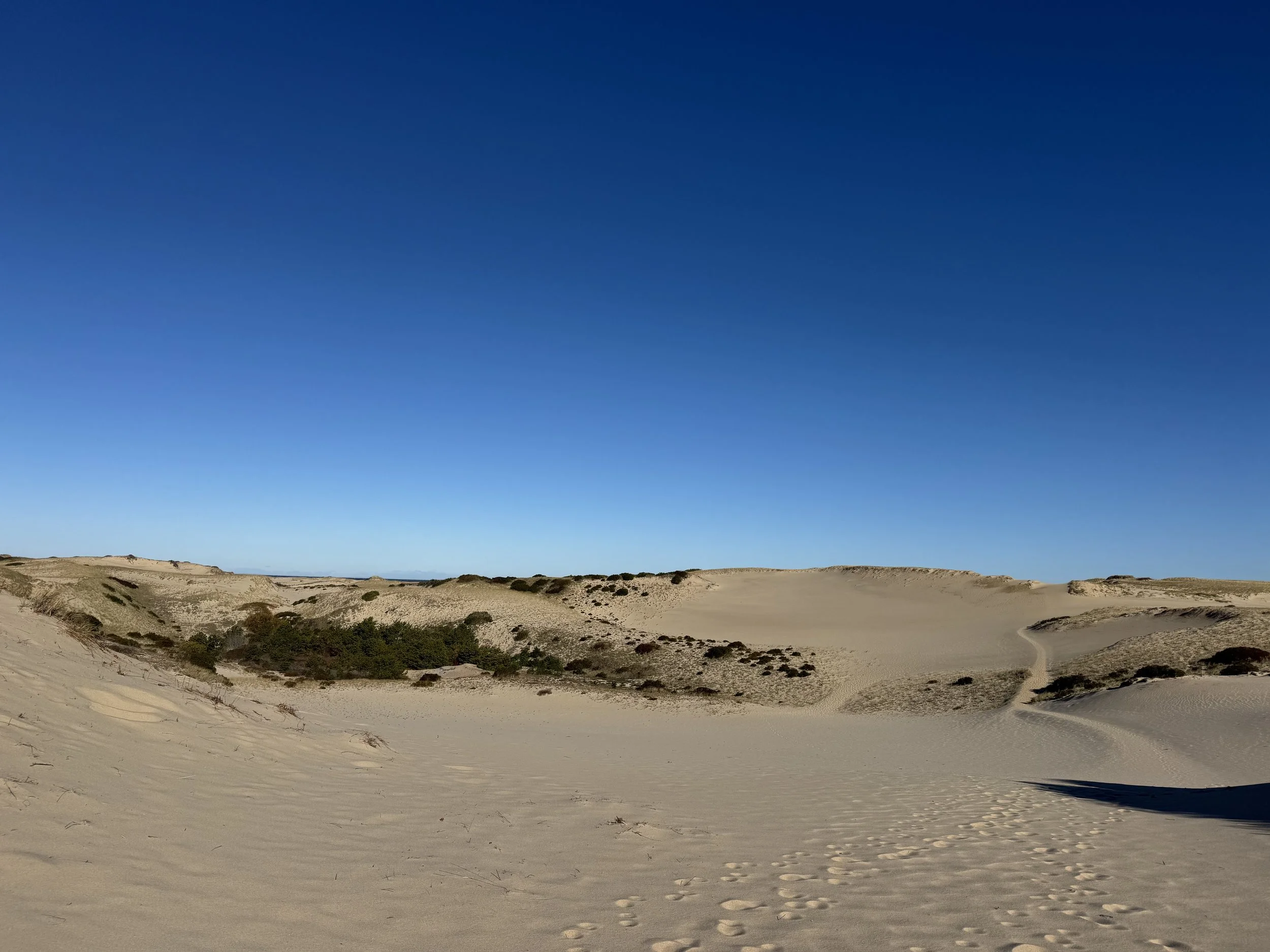
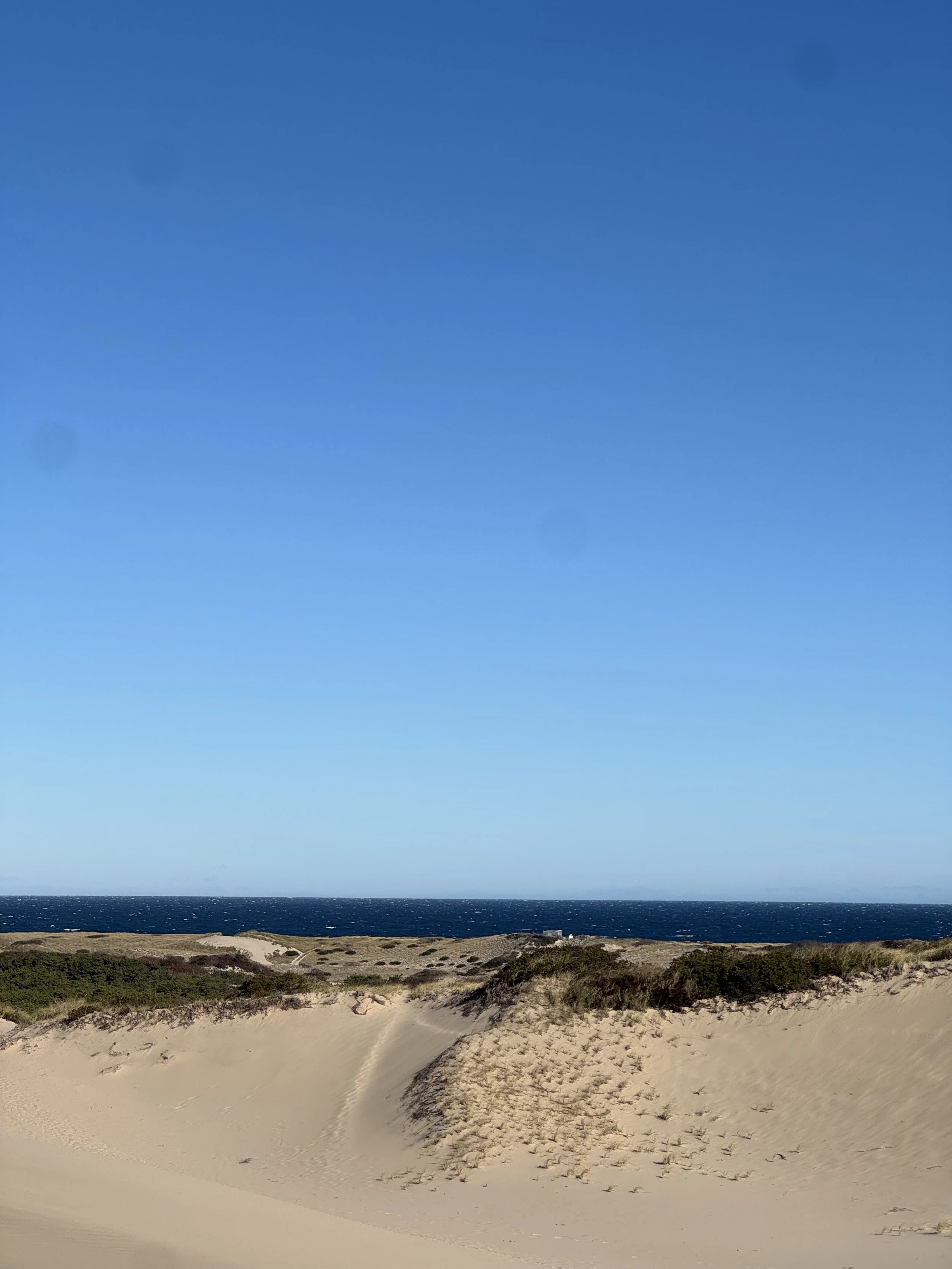
Hixson's painting emerged from an encounter with the wind-carved lines of the Cape Cod dunes, patterns shaped by forces at once gentle, insistent, and beyond control. He worked without looking at the canvas, he let his hand respond instinctively to the marks in the sand, translating their rhythms into abstracted gestures. The act became a form of attunement, a way of listening to the landscape through movement rather than sight.
Its layered surface mirrors the emotional terrain of the relationship that framed that trip with his past partner: moments of lightness and closeness interwoven with subtler currents of uncertainty, tenderness, and complexity. As the lines shifted beneath the wind, so too did his understanding of connection, how it forms, deepens, and transforms.
Throughout the process, Hixson refused the impulse to step back and judge. Instead, he painted in a state of trust, allowing each gesture to arise from presence rather than analysis. Hixson chose to look at the painting only when he felt in his heart that the piece had arrived, when something inside him softened in recognition. That final moment of seeing was its own revelation: a visual confirmation of a journey completed by intuition, movement, and emotion.
In tracing these shifting impressions, the painting holds both the quiet evolutions of the natural world and the layered unfolding of love itself, an image formed not by sight, but by feeling.
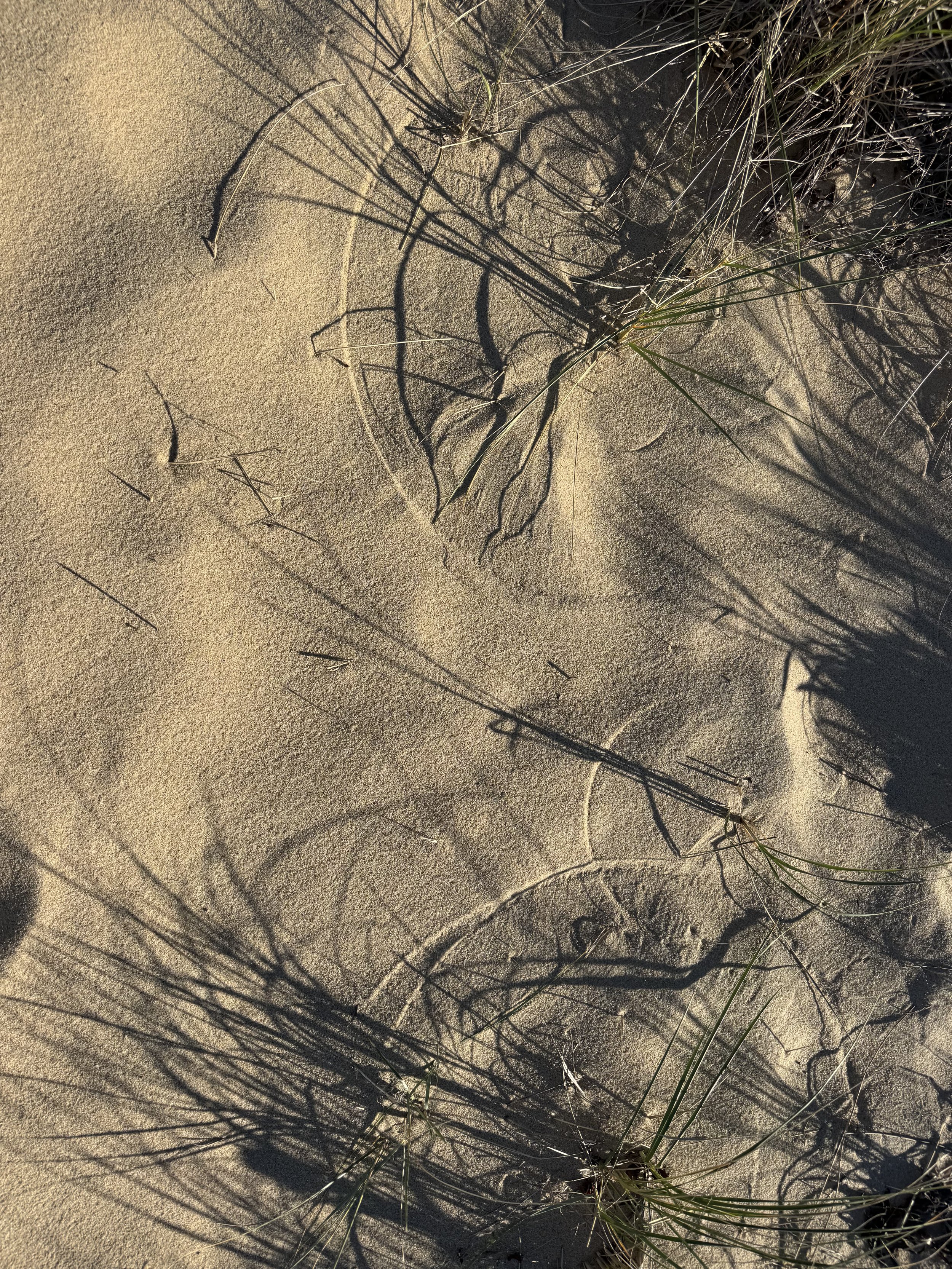
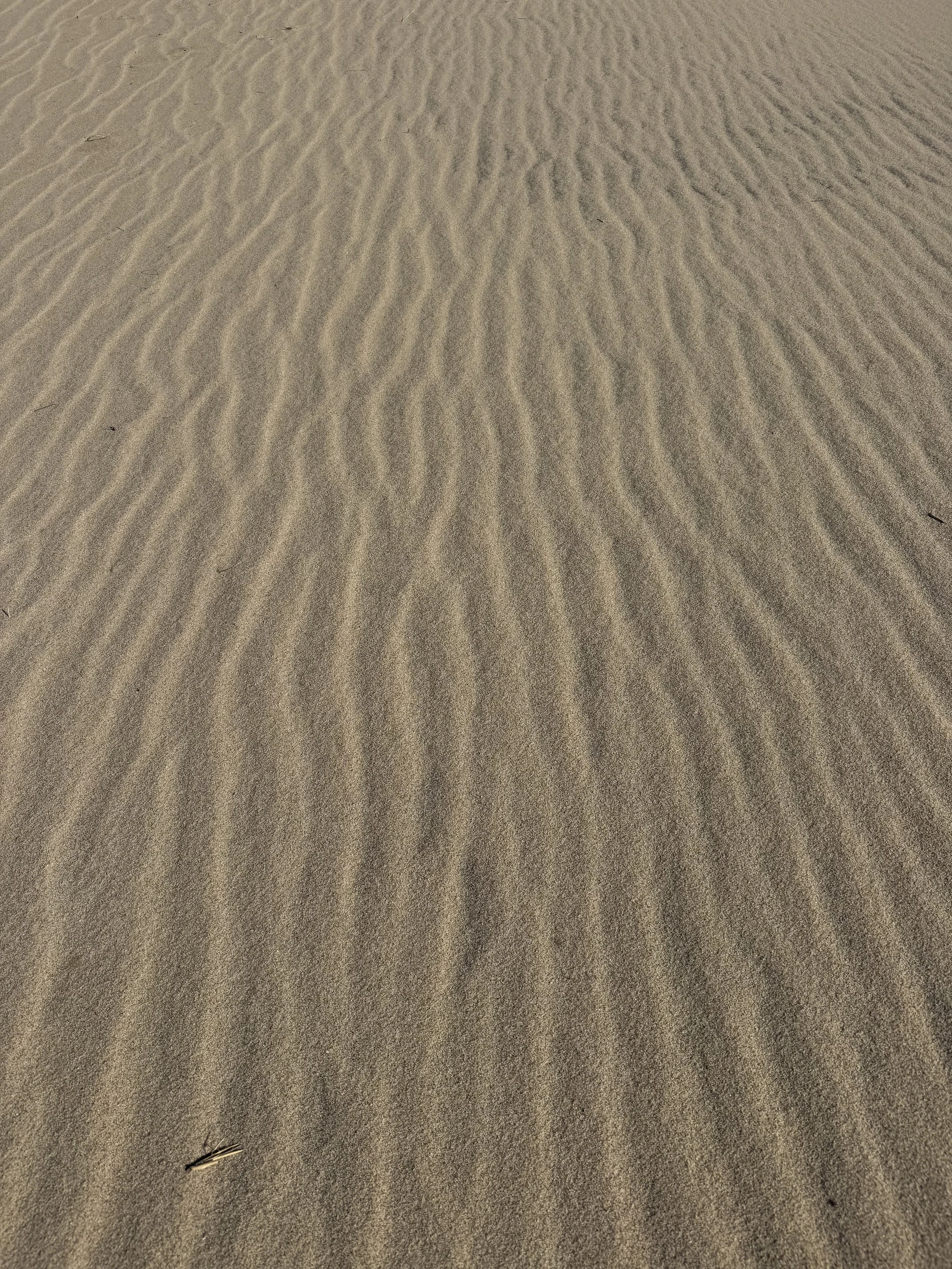
Hixson was immediately captivated by the organic line work etched into the sand, prompting him to document the formations through his camera. He observed the delicate shadows cast by dune grass, the softened imprints of passing travelers, and the wind’s own inscriptions, drawn with blades of grass as its instruments. He continues to find inspiration in natural environments shaped by elemental forces, where the presence of humans retreats and the landscape speaks for itself.